













Not all fleets are prepared to go battery-electric at this time for a number of reasons but this doesn't mean they can't significantly reduce their GHG emissions in other ways.
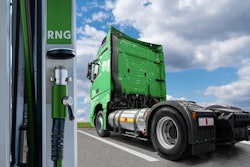
Enter Renewable Natural Gas (RNG).
[Related: RNG-fueled trucks 'most compelling carbon reduction strategy,' says Hexagon Agility VP]
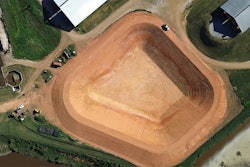
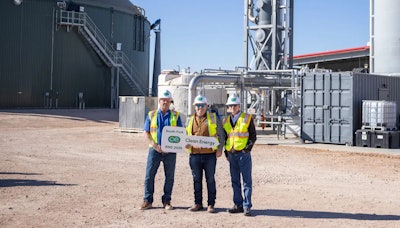
Newport Beach, California-based Clean Energy, together with South Fork Dairy have jointly announced the completion of a new RNG facility in Dimmitt, Texas, and it's already producing and injecting RNG into the interstate natural gas pipeline.
South Fork is now one of the nation's largest RNG plants, processing manure from 16,000 dairy cows to produce about 2.6 million gallons of low-carbon RNG annually. The facility, which has already received full EPA approval, handles up to 300,000 gallons of manure per day using four anaerobic digesters and advanced gas-to-fuel systems, with the resulting RNG injected directly into an on-site pipeline.
Fully financed by Clean Energy, already America's largest provider of clean fuel for the transportation industry, the $85 million project began construction in July 2024, and Clean Energy will receive all RNG produced at the site.
"The requirements to reach production and injecting milestones were extremely stringent and we are incredibly proud of the team for getting our seventh RNG facility online, on time and on budget. It’s no small feat," said Clay Corbus, SVP at Clean Energy.
Earlier this year, Clean Energy and Maas Energy Works broke ground on three new RNG dairy projects, located in South Dakota, Georgia, Florida, and New Mexico. They're forecasted to cost $80 million with completion due sometime next year.
Though some may find it hard to believe, cattle are the world's No. 1 source of greenhouse gases because, well, they belch. Each cow belches 220 pounds of methane annually, and agriculture alone accounts for nearly 10% of America's greenhouse gas emissions, compared to the transportation sector's 28% contribution, according to EPA data.
[Related: Clean Energy's new RNG production facility requires over 2,000 cows]
Capturing methane from agricultural waste cuts emissions by turning organic materials into RNG through anaerobic digestion or gasification.
"Partnering with Clean Energy to build an RNG facility on the dairy has been a success for us," said Frank Brand, owner of South Fork Dairy. "We're processing our manure into useful bedding and producing clean, useful fuel for vehicles—it's pretty amazing stuff. Being a part of something so circular that allows the dairy to reduce its emissions while providing an additional income stream is an added bonus."
Clean Energy expects to begin generating California Low Carbon Fuel Standard (LCFS) credits in Q1 2026. The company is also expanding its nationwide fueling network, which now includes more than 600 stations supplied with RNG.