













What you need to know:
- Perdue Farms has deployed six B100 biodiesel-powered Volvo trucks, marking what it says is the first use of 100% biodiesel trucks in the U.S. livestock sector
- The trucks run on soybean-based renewable fuel made from American-grown soybeans, linking agriculture, renewable energy and food transportation
- Powered by Optimus Technologies' system, the initiative showcases a practical approach to fleet decarbonization and lower-emission freight transportation
- Perdue and its partners will evaluate results to explore broader adoption of sustainable transportation and supply chain emissions reduction
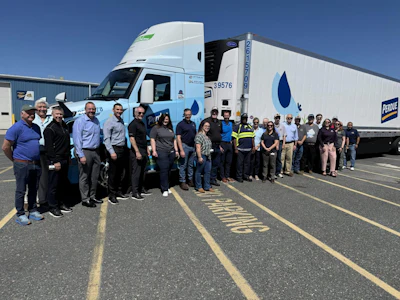
Perdue Farms has announced the deployment of six Volvo trucks powered by 100% biodiesel (B100) to transport poultry, marking what the company says is the first known use of B100-fueled trucks in the U.S. livestock sector. The initiative is being carried out in collaboration with the Maryland Soybean Board and Optimus Technologies.
Biodiesel—also known as B99 and B100—is a renewable, low-carbon fuel made from natural sources such as soybean oil, used cooking oil, and animal fats that can be used in diesel engines as an alternative to petroleum-based diesel.
[Related: Study says Biodiesel Blenders’ Tax Credit better than Section 45Z Clean Fuel replacement]
The biodiesel fuel used in these trucks is produced from U.S.-grown soybeans, including soybeans sourced from Perdue's network of independent farmers. The project highlights the increasing role of agricultural feedstocks in supporting lower-emission transportation solutions across the food supply chain.
"These trucks directly connect the work of our independent family farmers to lower-emission transportation," said Ben Hildebrand, director of environmental sustainability at Perdue Farms. "It's one example of how we're exploring practical ways to reduce our environmental impact while continuing to deliver fresh, high-quality food. It also reflects the important role agriculture can play in helping advance practical sustainability solutions."
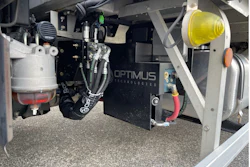
The trucks operate using Optimus Technologies' Vector System, which enables heavy-duty engines to run on biodiesel. The Maryland Soybean Board supported the deployment as part of efforts to expand market opportunities for soybean growers while advancing renewable fuel adoption.
"For Maryland soybean farmers, this project shows how locally grown crops can play a direct role in real-world transportation and sustainability solutions," said Eddie Boyle, Chair of the Maryland Soybean Board. "It creates new demand for soybeans while supporting cleaner transportation and stronger connections between farmers and the food system."
According to analyses from the U.S. Department of Energy and the EPA, B100 biodiesel can reduce lifecycle greenhouse gas emissions by more than 70% compared with conventional diesel, while also lowering particulate matter emissions.
"This collaboration shows the important role renewable fuel technologies play in helping fleets reduce emissions today," said Colin Huwyler, CEO of Optimus Technologies. "Deploying B100 in livestock transportation highlights how proven technology can help reduce emissions in traditionally hard-to-decarbonize sectors where reliability and uptime are critical."
[Related: Biodiesel conversion does not void OEM warranties, Optimus Technologies CEO confirms]
Perdue and its partners will monitor vehicle performance and emissions results from the initial deployment, with findings expected to inform potential expansion of renewable fuel-powered transportation across additional routes and fleet assets.