













What you need to know:
- Zonar Systems becomes the first telematics provider certified by the California Air Resources Board (CARB) for Clean Truck Check compliance using OEM-installed telematics
- Factory-installed V4 telematics allows automatic emissions reporting without OBD plug-ins, reducing fleet downtime and administrative burden
- Mixed-fuel fleet management is simplified as diesel and electric vehicles can coexist within a single telematics platform for safety, diagnostics, and compliance
- Future-ready CARB compliance prepares fleets for quarterly testing in 2027 and potential J1979-2 protocol enforcement with automated regulatory reporting
Zonar Systems has become the first telematics provider certified by the California Air Resources Board (CARB) to support Clean Truck Check (CTC) compliance through OEM-installed vehicle integrations, a development that could significantly reduce downtime for heavy-duty fleets operating in California.
The Seattle, Washington-based company has announced the milestone just as California tightens emissions oversight and commercial trucking fleets brace for more frequent reporting requirements that could otherwise mean additional shop visits and administrative headaches.
Clean Truck Check without plug-ins
California's CTC program, as a refresher, requires non-gasoline vehicles over 14,000 pounds operating in the state to submit emissions data on a recurring basis. Until now, that has typically meant manual diagnostic scans at a shop or yard, coordination with third-party vendors and planned vehicle downtime.
Beginning in 2027, testing frequency is scheduled to increase from twice a year to quarterly, adding further pressure on fleet operators.
[Related: Detroit readies rollout of new 2027 engines]
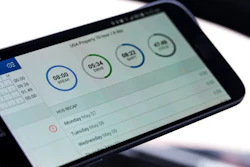
Zonar's newly approved executive order allows emissions data to be collected and transmitted through a factory-installed, hardwired telematics device rather than requiring a physical OBD plug-in session for each compliance cycle. For fleets with compatible vehicles, compliance can occur automatically in the background.
Speaking to Clean Trucking, Amit Anand, senior vice president of product at Zonar, explained that "CARB compliance is becoming more frequent, more complex, and more disruptive for fleets—but it doesn't have to be.
"Because we design our own hardware, work directly with OEMs, and partner closely with CARB, we were able to deliver a solution no one else in the market could. This certification removes downtime, eliminates guesswork, and allows fleets to stay compliant automatically using technology they already have."
OEM telematics in service
The certification builds on a substantial installed base.
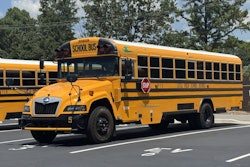
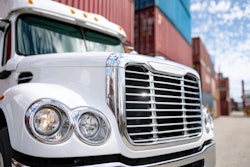
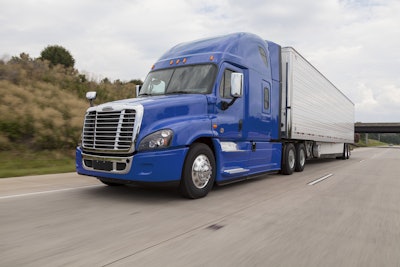
For more than 14 years, Zonar's V4 telematics control unit has been factory-installed on approximately 400,000 vehicles, including models such as the Freightliner Cascadia, school buses from Thomas Built Buses, and trucks produced under the Western Star nameplate.
Fleets operating these OEM-equipped vehicles in the Golden State (and other CARB-compliant states) can activate the emissions reporting capability without adding new hardware or routing trucks through service bays solely for compliance checks. The executive order explicitly permits compliance through a hardwired vehicle harness, a distinction that separates it from solutions that still require direct diagnostic-port connections.
With enforcement tied to vehicle registration status, roadside inspections and operations at ports and rail yards, the risk of missed or delayed reporting has grown. Automating data submission may reduce both administrative workload and operational disruption.
Managing mixed fleets
Although CTC applies to diesel and other non-gasoline vehicles, the certification arrives as fleets begin managing a gradual shift toward battery-electric trucks. Most operators are expected to run mixed-fuel fleets for several more years, balancing traditional internal combustion vehicles with newer electric models.
"Our strategy is to enable diesel and electric vehicles to coexist seamlessly within one telematics ecosystem," Anand continued.
The company argues, essentially, that a single telematics platform can simplify that transition. Core workflows such as safety monitoring, utilization tracking, diagnostics and asset visibility remain largely fuel-agnostic. Electric-specific data, including energy consumption and charging metrics, can be integrated into the same system rather than managed through separate tools.
 The Zonar V4 GPS tracking device featuring status indicators and cellular connectivity.Zonar
"Our position is not that of a single-purpose compliance tool," Anand said. "We're building infrastructure that automates data capture and reporting as regulatory oversight increases. As fleets transition from diesel to electric, they shouldn't have to deploy parallel systems or separate hardware just to stay compliant."
From a financial perspective, consolidating systems may also limit redundant hardware costs during a capital-intensive electrification period.
Preparing for 2027
Looking ahead, California regulators have signaled potential enforcement of the J1979-2 diagnostic protocol, which would standardize certain emissions data reporting requirements. At the same time, quarterly testing under CTC is set to begin in October 2027.
Zonar says its current telematics control unit hardware is technically capable of supporting J1979-2 if enforcement timelines move forward. According to Anand, the company began investing in CTC capabilities years before the requirements took effect in order to stay ahead of regulatory shifts.
"Increased testing frequency is coming, and regulatory frameworks will continue to evolve,” he said. “Being future-ready means building scalable infrastructure now so fleets aren’t forced into rushed technology decisions later."
As emissions oversight becomes more data-driven and frequent, embedding compliance into connected vehicle systems may become less of an added feature and more of an operational necessity. For fleets operating in California, the shift could mark a move away from periodic shop-based testing toward continuous, automated reporting built into the vehicle itself.