













What you need to know:
- Largest electric truck deployment with 370 Tesla Semi Class 8 electric trucks, creating the biggest heavy-duty electric fleet in California with rollout through 2027
- Megawatt charging expansion using Tesla Megawatt Charging System (MCS) to enable fast EV truck charging and strengthen electric freight infrastructure across key hubs
- Scaling long-haul electric trucking through a Trucking-as-a-Service (TaaS) model that combines electric fleets, charging networks, and logistics platforms
- Lower operating costs driving adoption as battery-electric trucks vs diesel show energy cost savings backed by millions of electric freight miles
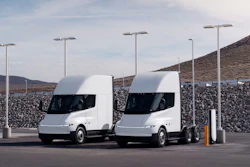
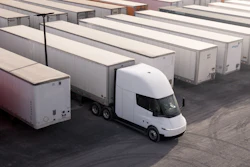
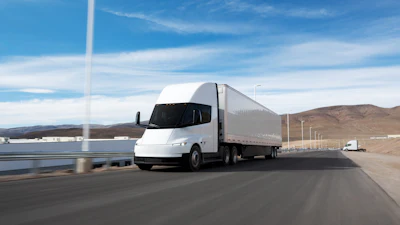
At ACT Expo 2026, WattEV, a California-based Trucking-as-a-Service (TaaS) company, announced it is moving ahead with a major electric truck order: 370 Tesla Semi Class 8 units in what stands as the largest single deployment of heavy-duty electric trucks in the Golden State to date.
The company says the first 50 trucks are expected to enter service in 2026, with the full fleet scheduled to be in operation by the end of 2027.
The deal places WattEV squarely in the middle of the freight sector's gradual shift toward electrification. With the Tesla Semi now entering broader production and early fleet feedback trending positive, the company is betting on its vertically integrated model—pairing trucks with megawatt-scale charging and full-service leasing—to lower adoption barriers for carriers by eliminating upfront capital costs.
[Related: Megawatt charging explained: What it is and why it matters]
Charging buildout ramps up
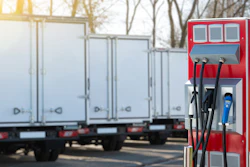
More than 300 of the Tesla Semis are tied to a joint initiative with the Port of Oakland, where WattEV is prepping to launch new high-capacity charging sites. Initial deployments will align with the opening of facilities at the Port of Oakland and in Fresno, both equipped with Tesla's Megawatt Charging System (MCS). The setup is designed to deliver roughly 300 miles of range in about 30 minutes, putting charging times in line with traditional diesel refueling stops.
Additional sites are already in the pipeline. Stockton is expected to come online soon, while a Sacramento location is slated to break ground in 2026.
These projects build on WattEV's existing Southern California footprint, which includes six operating depots at the Port of Long Beach, San Bernardino, Gardena, Bakersfield, Vernon, and Oxnard. The company says 15 more locations are currently under development as it works toward a broader, nationwide network.
Scaling toward long-haul electrification
CEO Salim Youssefzadeh said the Tesla Semi was selected following a competitive request-for-proposals process, citing cost, performance, and availability as key factors. He framed the order as a stepping stone toward scaling long-haul electric freight operations across the U.S.
[Related: WattEV CEO knows how to electrify freight at diesel prices]
WattEV's approach centers on building out not just the fleet, but the supporting infrastructure and logistics platform needed to run electric freight at scale. The company is positioning itself to manage everything from charging corridors to routing and freight aggregation as adoption grows.
Economics driving the shift
The company argues that lower energy costs will continue to tilt the economics in favor of battery-electric trucks over diesel. WattEV says its current operations already demonstrate cost advantages in certain segments, with expectations that the gap will widen as fuel prices and energy markets diverge.
"We expect diesel fuel costs will continue to be a decisive factor in fleet procurement decisions," Youssefzadeh said. "Our electrified freight solutions allow us to deliver goods at better economics compared to diesel today, and as energy costs diverge further, the economic case only strengthens."
As of 2025, WattEV reports its 75-truck fleet has logged more than 7 million electric freight miles across Southern California drayage and middle-mile routes. That experience, the company says, is helping refine an operating model it plans to replicate on a larger scale as it expands beyond the region.