













What you need to know:
- TTP updates natural gas vehicle facility guidelines with new CNG and LNG maintenance standards to improve safety, compliance, and operations for commercial fleets
- Safety and maintenance protocols for NGV facilities include ventilation, gas detection, ignition control, electrical systems, and fuel container handling
- Rising adoption of natural gas trucks drives growth in alternative fuel trucking through increased use of CNG, LNG, and renewable natural gas (RNG)
- Expanding U.S. fueling infrastructure supports NGV growth with 1,385 CNG stations, 81 LNG stations, and RNG accounting for 86 percent of transportation fuel
Following a detailed review, The Transport Project (TTP)—a coalition consisting of around North American 200 fleets, OEMs, dealers, and suppliers—has released an updated set of guidelines outlining facility modifications for the maintenance and repair of natural gas-powered commercial vehicles.
[Related: As electric truck demand slows, CNG and RNG-powered trucks accelerate]
The document, which can be read in its entirety here, was developed in-house by the organization's Technology & Development Committee in collaboration with its Maintenance Facility Modifications Working Group.
The report builds on an earlier version that was last revised in 2017 by NGVAmerica's Technology & Development Committee.
TTP says the new guidelines outline current facility code requirements, provide recommendations for necessary modifications, and highlight training considerations for maintenance garage managers. They also address both minor and major service areas used in the upkeep and repair of vehicles powered by compressed and liquefied natural gas (LNG).
[Related: Alternative fuel use rises in Class 8 trucks, but diesel still reigns, ATRI survey finds]
The document also covers key safety and operational topics such as ventilation, gas detection systems, ignition risks, electrical classifications, procedures for preparing vehicles for service, and the maintenance and decommissioning of fuel containers.
"This document should become a must-use reference guide for any vehicle fleet deploying natural gas trucks and buses," said Marty Tufte, TTP Chair and Corporate Fleet Director for WM. "Compiled by subject matter experts across multiple TTP member companies, this guide is provided to all CNG and LNG vehicle operators free of charge to enhance safety across the industry, ensure compliance with relevant standards, and promote best practices for the greatest operational success for NGV fleets of all sizes."
The updated guidelines come at a time when natural gas and variants like CNG, LNG, and RNG (renewable natural gas) are becoming increasingly popular in the commercial freight industry.
Natural gas variants on the rise
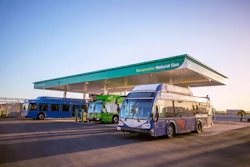
Late last year, TTP released its Natural Gas Vehicle Refueling Infrastructure Report, which shows an increased number of compressed natural gas (CNG) fueling stations available across the U.S. It includes detailed state-by-state data and highlights trends in natural gas fueling infrastructure across the U.S. It further notes that there are currently 1,385 CNG stations nationwide, along with 81 LNG stations.
CNG infrastructure remains heavily concentrated in a handful of states, with California leading by a wide margin, followed by Oklahoma, Texas, Pennsylvania, and Florida. Other key markets include Georgia, Wisconsin, New York, Ohio, and Utah, with stations now operating in 47 states and Washington, D.C.
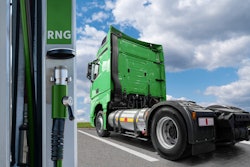
RNG continued to dominate the sector, accounting for 86 percent of all natural gas used as a transportation fuel last year.