













Volvo Trucks North America plans to deliver three battery-electric Volvo VNR trucks to City Harvest in 2026, strengthening the New York City nonprofit's push toward cleaner food rescue operations. City Harvest is The Big Apple's largest food rescue organization, serving communities in all five boroughs.
The trucks will be deployed through the Bronx Is Breathing initiative, a state-funded program supported by a $10 million award from the New York Clean Transportation Prizes. The effort targets reductions in air pollution and noise in South Bronx neighborhoods bordering one of the busiest freight corridors in the country.
[Related: Volvo VNR Electric fighting food insecurity in Southern California]
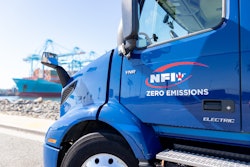
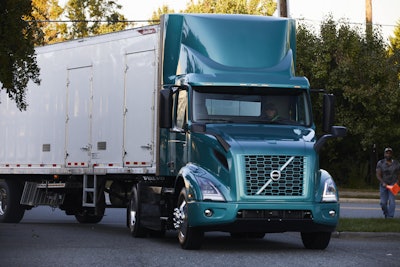
 City Harvest's Volvo VNR Electric trucks deliver rescued food from NYC businesses to pantries, soup kitchens, and mobile markets.Volvo Trucks North America
City Harvest's vehicles represent three of eight Volvo Group trucks being rolled out under the project to support food distribution, waste services and local deliveries in the Hunts Point area. Each year, the organization rescues more than 86 million pounds of surplus food—roughly 250,000 pounds a day—redirecting it from landfills to food pantries, soup kitchens and community programs across New York City.
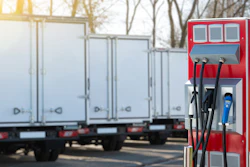
The electric trucks will be equipped with battery-powered refrigeration systems, enabling zero tailpipe emissions during food collection and delivery. Charging will begin at a newly installed site at the Fulton Fish Market Cooperative in Hunts Point, with operations later shifting to a planned public charging hub in the same area.
That hub, being developed by MN8 Energy, is slated to open in 2029 and will feature dozens of chargers designed for freight vehicles, including high-power fast chargers capable of supporting heavy-duty trucks.
[Related: Volvo certified EV network expands by 10 locations]
"City Harvest's food rescue model will prevent more than 25 million kilograms of carbon emissions this year, all while providing food to our neighbors in need," said Jilly Stephens, CEO of City Harvest. "We operate in every corner of New York City, often in communities that experience the highest levels of truck traffic. Electric trucks will help us reduce our environmental footprint while continuing to deliver millions of pounds of food to New Yorkers facing food insecurity."
Service and maintenance for the battery-electric trucks will be handled by Milea Truck Sales and Leasing, a Bronx-based, family-owned dealership and the first on the East Coast to earn Volvo Trucks' Certified EV Dealership designation. The dealer has expanded its facilities with EV-specific service bays, charging infrastructure and parts inventory, and has trained its sales and service teams to support fleets transitioning to electric trucks.