













What you need to know:
- California Clean Fuel Reward program launches statewide to expand zero-emission truck incentives and accelerate electric medium- and heavy-duty vehicle adoption through CARB-backed funding
- Starting June 26, fleets can access $7,500–$120,000 electric truck rebates at point of sale for commercial EVs, including drayage trucks, semis, and delivery vans
- The program is a utility-led EV rebate initiative powered by California's Low Carbon Fuel Standard (LCFS) and administered statewide by major utilities including PG&E and SCE
- It builds on California fleet electrification programs like HVIP and supports rising zero-emission truck sales, which reached nearly 23% of new MD/HD vehicle sales in 2024
Today, the California Air Resources Board (CARB) announced it has opened enrollment for a new statewide incentive program designed to accelerate adoption of zero-emission medium- and heavy-duty electric trucks.
The new California Clean Fuel Reward program will enable point-of-sale rebates beginning later this month, with funding sourced from the state's Low Carbon Fuel Standard (Low Carbon Fuel Standard).
The initiative, according to CARB, is expected to become the largest utility-administered electric truck rebate program in the U.S., with $250 million available in its first year and more than $1 billion projected in total funding through 2030.
[Related: CARB to allow ZEV credit transfers across states, classes]
"This new rebate program builds on California's long record of incentivizing zero‑emission vehicle deployment and reaffirms our unwavering commitment to clean transportation," said California Air Resources Board Chair Lauren Sanchez. "By returning revenue from the Low Carbon Fuel Standard directly to truck buyers at time of purchase, we're making zero‑emission trucks the better choice for fleets and delivering cleaner air along freight corridors where it’s needed most."
Point-of-sale rebates to begin June 26
Beginning this June 26, rebates will be available statewide through authorized retailers for both public and private fleets. CARB says the incentives will range from $7,500 to $120,000 per vehicle and apply directly at the point of purchase.
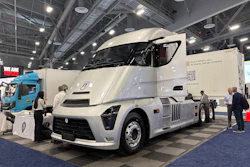
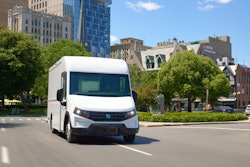
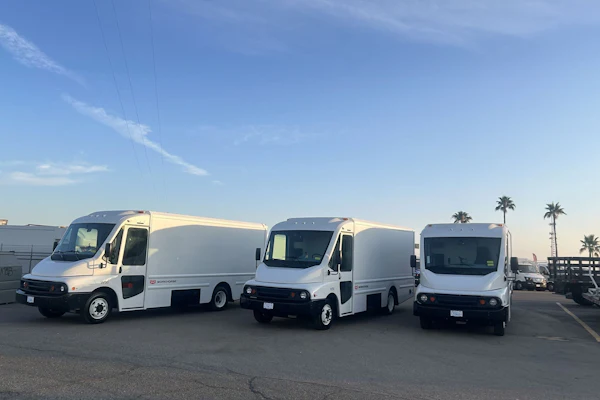
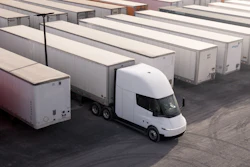
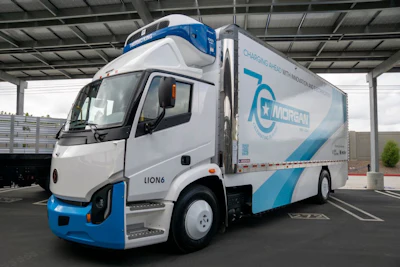
Eligible vehicles include a wide range of commercial classes such as electric drayage trucks, semis, box trucks, delivery vans, and other fleet vehicles. Public fleets will also be able to access incentives for smaller Class 2b vehicles, such as business-use pickup trucks.
By structuring rebates at the point of sale, the program is designed to reduce upfront cost barriers—one of the most common challenges in commercial fleet electrification.
[Related: CARB rips EPA's 'sloppy and amateurish' effort to repeal GHG regs]
Utility-led statewide administration
The program is administered by Southern California Edison on behalf of a coalition of utilities including Pacific Gas and Electric Company (PG&E), San Diego Gas & Electric, the Los Angeles Department of Water and Power, and the Sacramento Municipal Utility District.
Officials note the program is available statewide, regardless of utility service territory.
Air quality and public health motivation
Heavy-duty vehicles are among the largest sources of localized air pollution, particularly in freight corridors near ports and logistics hubs. State leaders say accelerating ZEV adoption is critical to reducing bad air exposure in overburdened communities.
The Golden State estimates that nearly 18 million residents breathe air exceeding federal health standards, with thousands of pollution-related deaths recorded annually in Southern California.
The program targets emissions reductions in areas most affected by freight traffic and diesel pollution.
Funded through California's LCFS framework
First established in 2009, the LCFS sets declining carbon intensity targets for transportation fuels. Producers that exceed targets generate credits that can be traded to those that do not, which creates a market-based funding mechanism.
The system generates billions annually in investment toward lower-emission technologies.
Builds on existing fleet electrification programs
The new rebate program doesn't replace, but rather complements the state's broader incentive ecosystem, including the Clean Truck and Bus Voucher Incentive Project (HVIP), which has provided more than $1 billion in funding for fleet electrification.
To date, HVIP has supported over 2,000 fleets and helped deploy more than 11,600 clean vehicles, including buses and hydrogen-powered vehicles, across California.
Market adoption continues to accelerate
California continues to be the national leader in MD and HD zero-emission vehicle adoption. In 2024, for example, nearly 23% of new sales in this category were zero-emission vehicles, which was more than double the state's original target.
Officials add that the Clean Fuel Reward program is intended to help sustain this momentum by lowering purchase barriers and accelerating fleet-scale deployment of electric trucks across the state.