














What you need to know:
- California HVIP tops $1 billion in state funding, driving adoption of zero-emission trucks and buses since 2009
- Vouchers offset upfront costs for fleets and owner-operators buying medium- and heavy-duty electric vehicles, with extra support for small fleets via the Innovative Small e-Fleet set-aside
- The program has cut nearly 1.5 million metric tons of CO2e and over 2,200 tons of NOx, boosting California's clean air and climate goals
- Southern California leads HVIP adoption, with Los Angeles, San Bernardino, Orange, and San Diego counties redeeming 62% of vouchers, mainly for battery-electric trucks
Despite shifting political winds in Washington, D.C. since the start of the second Trump administration, California continues to advance its zero-emission transportation agenda.
[Related: California sues Trump over repeal of EPA's Endangerment Finding]
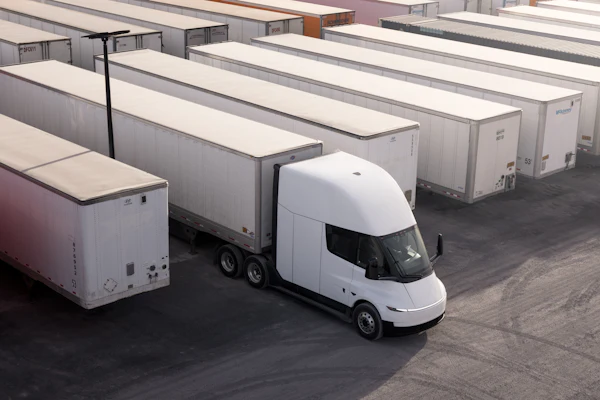
The Golden State's Hybrid and Zero-Emission Truck and Bus Voucher Incentive Project (HVIP) recently surpassed $1 billion in state funding since its 2009 launch. Administered by CALSTART for the California Air Resources Board, the program helps offset the upfront cost of clean commercial vehicles using Cap-and-Invest dollars through California Climate Investments.
More specifically, HVIP provides point-of-sale vouchers for fleets and independent owner-operators purchasing zero-emission medium- and heavy-duty trucks and buses, with additional support for small operators through the Innovative Small e-Fleet set-aside.
"With more than $1 billion dollars redeemed in vouchers through California's HVIP since its launch, the project is a resounding success," said CALSTART CEO Michael Berube. "This is more than a financial milestone—it's a signal of industrial transformation. It means companies are investing, supply chains are expanding, and jobs are being created in the clean transportation economy. Importantly, it also demonstrates that zero-emission technologies are scaling, and the market is both ripe and ready."
To date, the program has helped cut nearly 1.5 million metric tons of CO2e and more than 2,200 tons of NOx. The milestone underscores the program's continued role in advancing California's clean air and climate goals, even amid federal policy headwinds, while accelerating deployment of zero-emission medium- and heavy-duty vehicles.
HVIP's impact is evident in real-world adoption, with Paul Gioupis, CEO of Zeem Solutions, a Trucking-as-a-Service (TaaS) company, noting that HVIP vouchers have enabled fleets to “try before they buy,” often leading those that started with a single vehicle to expand electric operations nationwide.
[Related: Go inside America's busiest electric truck charging depot]
CALSTART further states that data from its online Voucher Map shows Southern California leading HVIP adoption, with Los Angeles, San Bernardino, Orange, and San Diego counties accounting for 62% of all vouchers redeemed since launch, with most of them supporting battery-electric truck deployments.