













What you need to know:
- Los Angeles-based Xos will launch vehicle-to-grid (V2G) production in April 2026, starting with an electric school bus platform in North America
- V2G technology lets commercial EV fleets send battery power back to the grid during peak energy demand
- Fleet operators and school districts can generate revenue and lower peak demand energy costs
- The global V2G market could grow from $4.3B in 2025 to $15B by 2030, led by commercial electric vehicle fleets
Xos is back with its second big announcement of 2026. The Los Angeles-based manufacturer has just confirmed plans to begin production of new vehicles with vehicle-to-grid (V2G) capability this April, starting with a major electric school bus platform in North America. The company did not provide specifics regarding the platform itself.
In January, Xos announced it's launching a sub-$100,000 electric Class 6 chassis to its 2026 lineup.
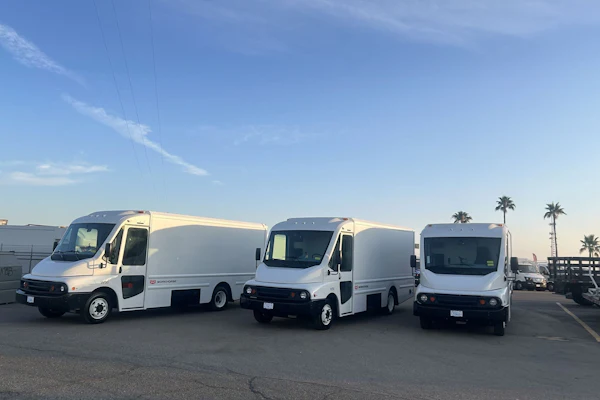
The V2G technology will allow fleets to send stored energy from vehicle batteries back to the power grid during periods of high demand. This rollout marks the first step in a broader plan to expand bidirectional charging across the company's commercial electric vehicle and energy solutions portfolio, including step vans, powertrains, and energy storage systems.
Vehicles equipped with V2G will enable fleet operators—such as school districts—to generate revenue by supplying electricity to the grid and reduce peak demand charges at their depots. The capability, however, will only apply to vehicles produced beginning in April and will not be retroactively added to existing Xos vehicles already in service.
"V2G is a fundamental shift in how commercial fleets create value. Starting with one of the most widely deployed vehicle platforms in America and extending across our full product catalog, we are turning new Xos-powered depots into a grid asset. With production beginning this April, we're delivering the ability to generate revenue, cut peak demand costs, and strengthen community energy resilience without adding complexity to daily operations. This is what purpose-built means," said Dakota Semler, Chief Executive Officer of Xos.
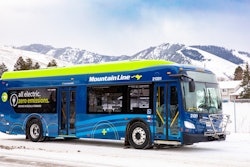
The company said return-to-base fleets, like school buses, are particularly well-suited for V2G tech because they operate on predictable schedules and spend long periods parked and connected to chargers. Those idle periods can allow vehicles to discharge energy back to the grid without disrupting daily routes.
[Related: Penske Truck Leasing adds Xos Stepvan to electric offerings]
Xos says it's also developing depot-level energy management systems that coordinate charging and energy discharge across multiple vehicles.
The company adds that, according to market research firm Roots Analysis, the global V2G market could grow from about $4.3 billion in 2025 to roughly $15 billion by 2030, with commercial fleets expected to drive a significant amount of the growth.