













What you need to know:
- Cespira and Volvo Group have signed an agreement to advance hydrogen-powered engine technology for Volvo's 13-liter truck engine platform
- The project uses HPDI fuel system technology to enable hydrogen internal combustion engines for heavy-duty trucking purposes
- Volvo Trucks is already conducting on-road testing of hydrogen-powered prototypes ahead of a planned European launch before 2030
- The initiative supports the development of low-emission heavy-duty transport and expands options for hydrogen-powered commercial vehicles
Cespira, the joint venture between Westport Fuel Systems and Volvo Group, has announced the signing of a development agreement with Volvo Group aimed at completing the integration and commercialization of hydrogen-fueled engine technology for Volvo's 13-liter engine platform.
The agreement covers the final stages of development needed to adapt the engine to operate on hydrogen using Cespira's High Pressure Direct Injection (HPDI) fuel system. The companies say they're targeting a certified commercial launch in Europe before the end of the decade.
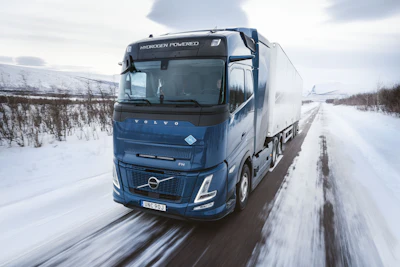
Volvo Trucks is already conducting on-road testing of hydrogen-powered trucks, following an announcement earlier this year that prototype vehicles had entered customer and field testing.
[Related: Daimler Truck, Volvo, Toyota unite to scale hydrogen fuel cell trucks in Europe]
The project builds on HPDI technology currently used in liquefied natural gas (LNG)-powered heavy-duty engines. The system injects fuel directly into the combustion chamber at high pressure and is designed to enable the use of alternative fuels in internal combustion engines while maintaining the performance characteristics required for commercial trucking applications.
For hydrogen applications, the technology is intended to deliver power and operating performance comparable to diesel engines. The companies say the system can accommodate a wider range of hydrogen fuel purity levels than fuel-cell systems, which typically require highly purified hydrogen.
Hydrogen-powered internal combustion engines are emerging as one of several pathways being explored by truck manufacturers to reduce emissions from heavy-duty transport, alongside battery-electric and hydrogen fuel-cell technologies.
"This development project reflects Volvo Group's continued commitment to advancing low-carbon solutions for heavy-duty transport through multiple technology pathways. By partnering with Cespira on the hydrogen application of its HPDI fuel system technology to allow our 13-litre engine platform to run on hydrogen, we recognize the potential of hydrogen internal combustion as a viable long-haul option for fleets to reduce emissions in demanding applications. Our commitment to this program underscores the confidence we have in our JV, Cespira, and in the long-term potential of HPDI fuel system technology," said Mehdi Ferhan, senior vice President of powertrain technology at Volvo Group.